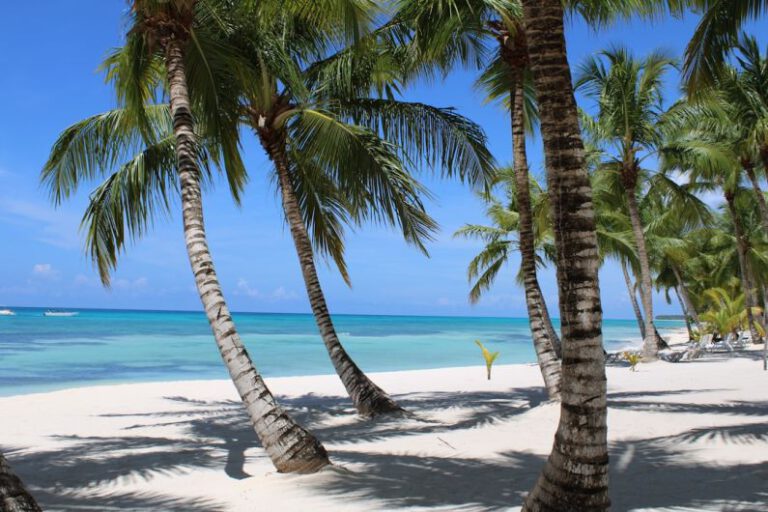
Which Unknown Island Has the Best Climate?
Finding the perfect destination with an ideal climate can be a challenge for travelers seeking to escape harsh weather conditions or looking for a place to retire. While popular islands like Hawaii and the Maldives are well-known for their tropical climates, there are lesser-known islands that boast equally impressive weather conditions. Among these hidden gems, one island stands out for its exceptional climate – La Palma. Located in the Canary Islands, La Palma offers a unique combination of sunny days, mild temperatures, and minimal rainfall, making it a top contender for the title of the island with the best climate.
**The Enchanting Climate of La Palma**
Nestled in the Atlantic Ocean off the northwest coast of Africa, La Palma enjoys a subtropical climate that is influenced by the trade winds and the Gulf Stream. This unique geographical position creates a microclimate that is characterized by mild winters, warm summers, and a low probability of extreme weather events. The island’s diverse terrain, which ranges from volcanic peaks to lush forests and pristine beaches, further contributes to its pleasant climate. Whether you prefer lounging on the beach, hiking through rugged landscapes, or stargazing under clear skies, La Palma offers a variety of outdoor activities year-round, thanks to its favorable weather conditions.
**Sunshine and Pleasant Temperatures**
One of the defining features of La Palma’s climate is its abundant sunshine. With an average of over 2,800 hours of sunlight per year, the island basks in warm, golden rays that attract sun-seekers from around the world. The combination of clear skies and gentle breezes creates a comfortable environment for outdoor adventures, whether you’re exploring the island’s volcanic craters, wandering through picturesque villages, or simply relaxing on the beach. In addition to its sunny days, La Palma also boasts mild temperatures throughout the year, with average highs ranging from 21°C (70°F) in winter to 28°C (82°F) in summer. This moderate climate makes La Palma an appealing destination for travelers seeking to escape extreme heat or cold and enjoy pleasant weather conditions year-round.
**Minimal Rainfall and Low Humidity**
Unlike other tropical destinations that experience heavy rainfall during certain seasons, La Palma benefits from a relatively low precipitation rate. The island’s unique topography, which includes high mountain ranges and deep valleys, creates distinct microclimates that influence rainfall patterns. As a result, La Palma receives less rainfall than neighboring islands, with most of the precipitation occurring in the winter months. This drier climate not only ensures sunny days for visitors but also contributes to the island’s lush vegetation and diverse ecosystems. In addition to minimal rainfall, La Palma also enjoys low humidity levels, which further enhance the comfort of its climate. The combination of sunny days, mild temperatures, and low humidity makes La Palma an ideal destination for those seeking a balanced climate that is neither too dry nor too humid.
**The Best of Both Worlds**
In conclusion, La Palma stands out as an island with the best climate, offering a perfect balance of sunshine, pleasant temperatures, minimal rainfall, and low humidity. Whether you’re a beach lover, a nature enthusiast, or a stargazing aficionado, La Palma has something to offer everyone, thanks to its enchanting climate. So, if you’re in search of an unknown island with exceptional weather conditions, look no further than La Palma in the Canary Islands. Experience the best of both worlds – a tropical paradise with a temperate climate that will leave you enchanted and rejuvenated.