What Is the Most Remote Island in the World?
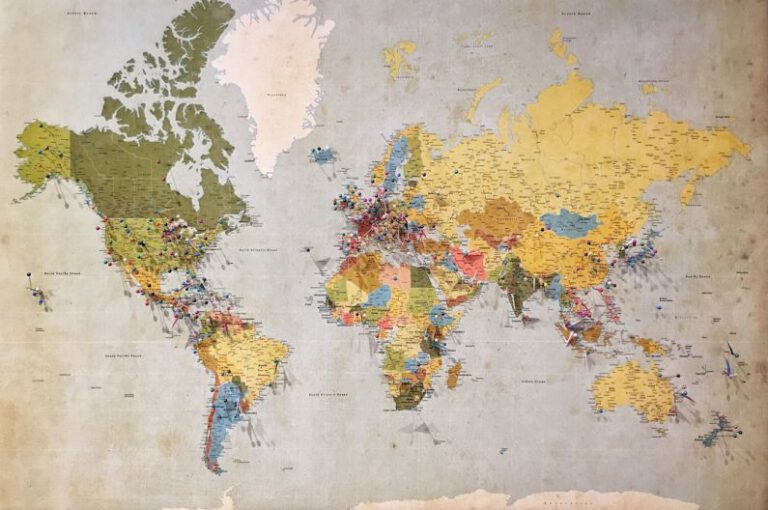
Located in the South Pacific Ocean, the title of the most remote island in the world belongs to Tristan da Cunha. This isolated volcanic archipelago is home to just over 250 inhabitants, making it one of the most sparsely populated places on Earth. Nestled amidst the vast expanse of the Atlantic Ocean, Tristan da Cunha is a place of unparalleled beauty and intrigue, offering a glimpse into a world untouched by modernity.
**A Remote Paradise**
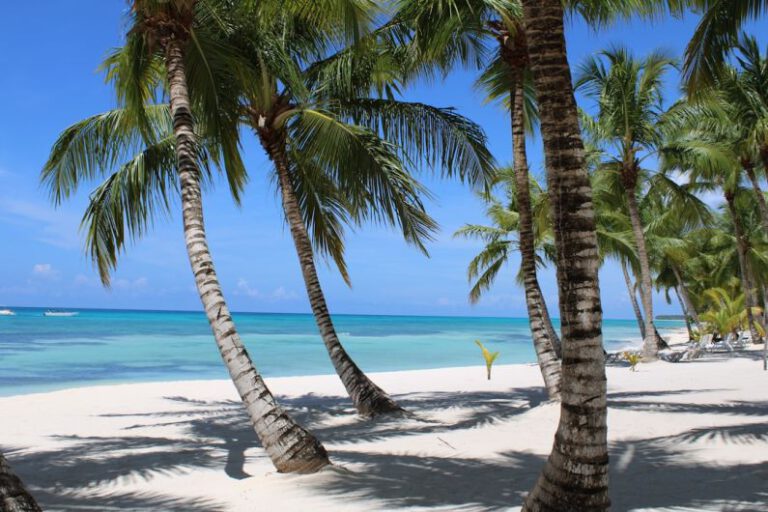
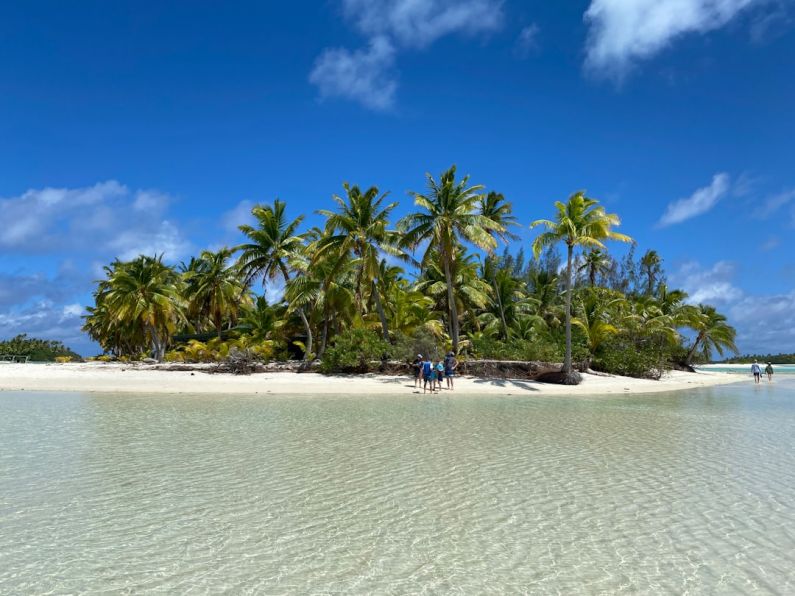
Tristan da Cunha is part of a British Overseas Territory and comprises four main islands: Tristan da Cunha, Inaccessible Island, Nightingale Island, and Gough Island. The main island, which shares its name with the archipelago, is where the majority of the population resides. With rugged cliffs, pristine beaches, and an abundance of wildlife, Tristan da Cunha is a remote paradise for those seeking solitude and natural beauty.
**Isolation and Accessibility Challenges**
One of the defining features of Tristan da Cunha is its isolation. Situated approximately 1,511 miles off the coast of South Africa, the archipelago is truly in the middle of nowhere. The nearest inhabited land is the island of St. Helena, over 1,200 miles away. This extreme remoteness presents significant challenges when it comes to accessing the island. The only way to reach Tristan da Cunha is by ship, and the journey can take up to a week, depending on weather conditions.
**Self-Sufficiency and Resilience**
Given its isolation, the residents of Tristan da Cunha have had to develop a strong sense of self-sufficiency and resilience. The island is largely self-governing, with an elected council overseeing local affairs. Fishing is a major industry, with the island’s inhabitants relying on the surrounding waters for sustenance. In recent years, efforts have been made to promote tourism as a way to diversify the economy and provide additional income for the community.
**Unique Flora and Fauna**
Tristan da Cunha is home to a unique array of flora and fauna, much of which is found nowhere else on Earth. The archipelago has been designated a UNESCO World Heritage Site due to its rich biodiversity and pristine ecosystems. Inaccessible Island, in particular, is a haven for seabirds, with millions of pairs of nesting birds calling the island home. Gough Island is known for its population of endangered Tristan albatrosses, while Nightingale Island boasts a diverse range of plant species.
**The Resilient Community of Tristan da Cunha**
Despite its challenges, the community of Tristan da Cunha remains resilient and close-knit. With a strong sense of camaraderie and a deep connection to the land and sea, the residents of the archipelago have forged a unique way of life that is deeply rooted in tradition and sustainability. While the island may be physically isolated, its inhabitants are anything but alone, relying on each other for support and companionship in the face of adversity.
**In Conclusion: A World Apart**
Tristan da Cunha stands as a testament to the resilience of the human spirit and the power of community in the face of adversity. As the most remote island in the world, it offers a glimpse into a world that is truly apart from the hustle and bustle of modern life. With its pristine landscapes, unique biodiversity, and tight-knit community, Tristan da Cunha is a place like no other, where time seems to stand still, and the bonds of friendship and family are cherished above all else.