How to Follow the Silk Road: an Ancient Trade Route?
Embark on a Journey Through Time: How to Follow the Silk Road
The Silk Road, an ancient network of trade routes that connected the East and West, has captured the imagination of adventurers and historians alike for centuries. Stretching over 4,000 miles, the Silk Road was more than just a pathway for goods—it was a conduit for ideas, cultures, and technologies to flow between civilizations. Today, following the Silk Road offers a glimpse into the past and a chance to explore the rich tapestry of history that shaped the world as we know it.
Exploring the Origins of the Silk Road
To truly understand the significance of the Silk Road, one must delve into its origins. The Silk Road was not a single road but a complex web of trade routes that spanned from China to the Mediterranean. It emerged during the Han Dynasty in China around 206 BCE when Emperor Wu sent envoys westward to establish trade relations with Central Asian kingdoms. The exchange of goods such as silk, spices, precious metals, and other luxury items flourished, giving rise to a network of interconnected routes that facilitated trade between the East and West.
Tracing the Silk Road Across Continents
Following the Silk Road today is a journey that takes travelers across multiple countries and diverse landscapes. From the bustling markets of Xi’an in China, where the Silk Road originated, to the ancient city of Samarkand in Uzbekistan, once a thriving hub of trade and culture, each stop along the route offers a glimpse into the past and a chance to witness the legacy of this historic trade network.
Discovering Hidden Gems Along the Silk Road
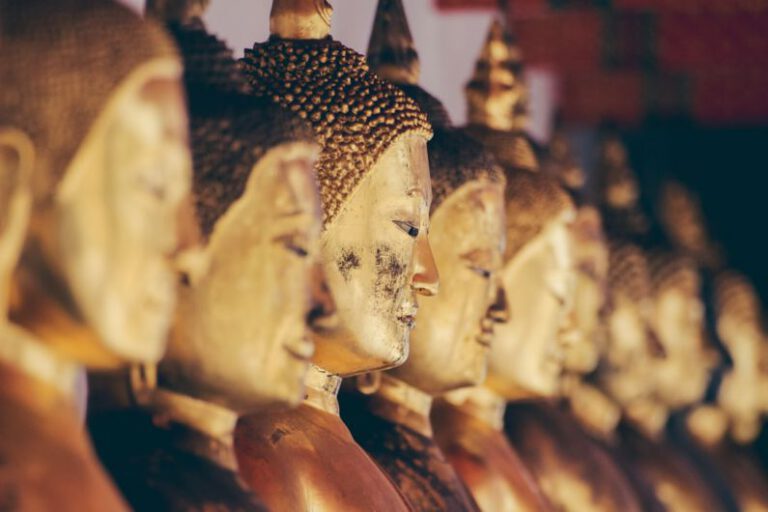
One of the joys of traveling the Silk Road is uncovering hidden gems that reveal the rich history and cultural diversity of the regions it traverses. In Dunhuang, China, the Mogao Caves house a stunning collection of Buddhist art and manuscripts dating back to the 4th century. In Iran, the ancient city of Persepolis stands as a testament to the grandeur of the Persian Empire, while in Turkey, the city of Istanbul showcases a blend of Eastern and Western influences, reflecting its position as a crossroads of civilizations.
Navigating Modern Challenges Along the Silk Road
While following the Silk Road offers a glimpse into the past, modern travelers may encounter a different set of challenges along the route. Navigating visa requirements, language barriers, and cultural differences can be daunting, but with careful planning and a spirit of adventure, these obstacles can be overcome. Travelers are advised to research visa regulations, learn a few basic phrases in the local language, and respect local customs and traditions to ensure a smooth and enriching journey along the Silk Road.
Embracing the Spirit of Exploration: Tips for Traveling the Silk Road
For those who are drawn to the allure of the Silk Road, there are several tips to keep in mind when embarking on this epic journey. First and foremost, be prepared for long stretches of travel and varying levels of comfort along the route. Pack light, stay hydrated, and be open to new experiences and encounters with locals. Embrace the spirit of exploration and allow yourself to be captivated by the sights, sounds, and flavors of the Silk Road.
Unveiling the Mysteries of the Silk Road
As travelers follow in the footsteps of ancient merchants and explorers along the Silk Road, they are not only tracing a historic trade route but also unraveling the mysteries of a bygone era. The Silk Road serves as a reminder of the interconnectedness of civilizations and the enduring legacy of cultural exchange and innovation. By delving into the past and exploring the present-day remnants of this fabled route, travelers can experience the magic of the Silk Road and gain a deeper appreciation for the diverse tapestry of human history.