How Did Kaymakli Underground City, Turkey Hide an Entire Civilization?
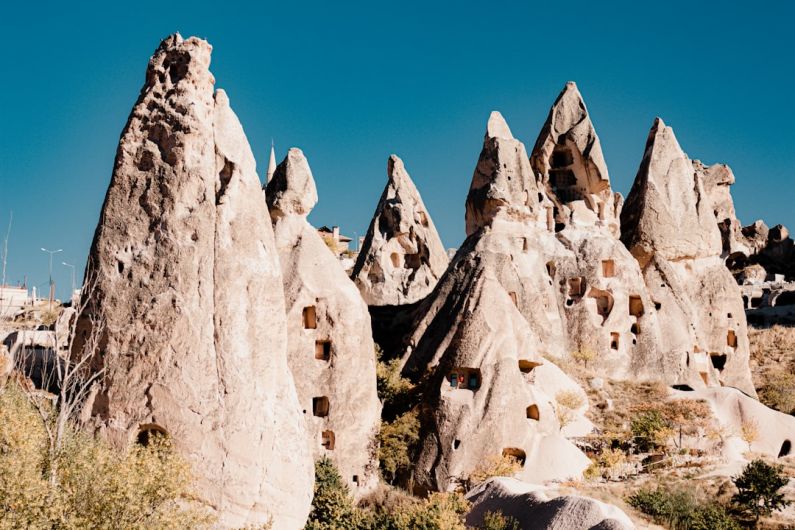
Beneath the picturesque landscapes of Cappadocia in central Turkey lies a hidden marvel that has captivated the curiosity of archaeologists and travelers alike: the Kaymakli Underground City. This ancient subterranean complex, carved into the soft volcanic rock, stands as a testament to the ingenuity and resourcefulness of its builders. From its intricate network of tunnels to its ventilation shafts and living quarters, Kaymakli offers a glimpse into a bygone era when civilizations sought refuge underground in times of strife and uncertainty.
Unveiling the Depths of Kaymakli Underground City
As you descend into the depths of Kaymakli, you are transported back in time to the Hittite era, around 2000 BC, when the first tunnels were likely excavated. Spanning multiple levels, this underground city is believed to have housed up to 3,500 people along with their livestock and food supplies. The intricate layout of the tunnels and chambers served both practical and defensive purposes, allowing the inhabitants to evade enemies and harsh weather conditions.
Exploring the Labyrinthine Tunnels
One of the most striking features of Kaymakli is its labyrinthine layout, with narrow passageways leading to various chambers, including stables, churches, kitchens, and even a winery. The tunnels, carved out of the soft tuff rock, showcase the ancient engineering skills of the inhabitants. As you navigate through the dimly lit corridors, you can’t help but marvel at the precision and planning that went into creating this underground marvel.
Understanding the Purpose of Kaymakli
While the exact reasons for the construction of Kaymakli remain shrouded in mystery, archaeologists believe that the city served as a refuge during times of invasion or persecution. Its strategic location, hidden from view and easily defensible, made it an ideal sanctuary for the inhabitants. The presence of ventilation shafts and wells further indicates that the city was designed for long-term habitation, not just temporary shelter.
Deciphering the Mysteries of Kaymakli
Despite decades of archaeological research, many aspects of Kaymakli’s history and purpose remain enigmatic. The intricate ventilation system, designed to circulate air throughout the underground city, still puzzles experts. The presence of hidden passages and secret chambers adds to the aura of mystery surrounding Kaymakli, prompting historians to speculate about its role in ancient times.
Preserving Kaymakli for Future Generations
In recent years, efforts have been made to preserve and protect Kaymakli from the ravages of time and tourism. Conservation projects aim to prevent further deterioration of the rock-cut structures and ensure that future generations can continue to marvel at this underground wonder. By balancing the need for tourism with the imperative of conservation, authorities seek to safeguard Kaymakli for years to come.
Unveiling the Legacy of Kaymakli Underground City
Kaymakli stands as a testament to the resilience and adaptability of ancient civilizations in the face of adversity. From its ingenious design to its enduring mysteries, this underground city continues to fascinate and inspire visitors from around the world. As you wander through its shadowy corridors and cramped chambers, you can’t help but wonder about the lives of those who once sought refuge within its rocky embrace.
In conclusion, Kaymakli Underground City stands as a remarkable testament to human ingenuity and survival instincts. As we unravel its mysteries and preserve its legacy, we gain a deeper appreciation for the resilience of past civilizations in the face of uncertainty and upheaval. This hidden gem in the heart of Turkey invites us to reflect on the enduring power of human creativity and resourcefulness, even in the most challenging of circumstances.